
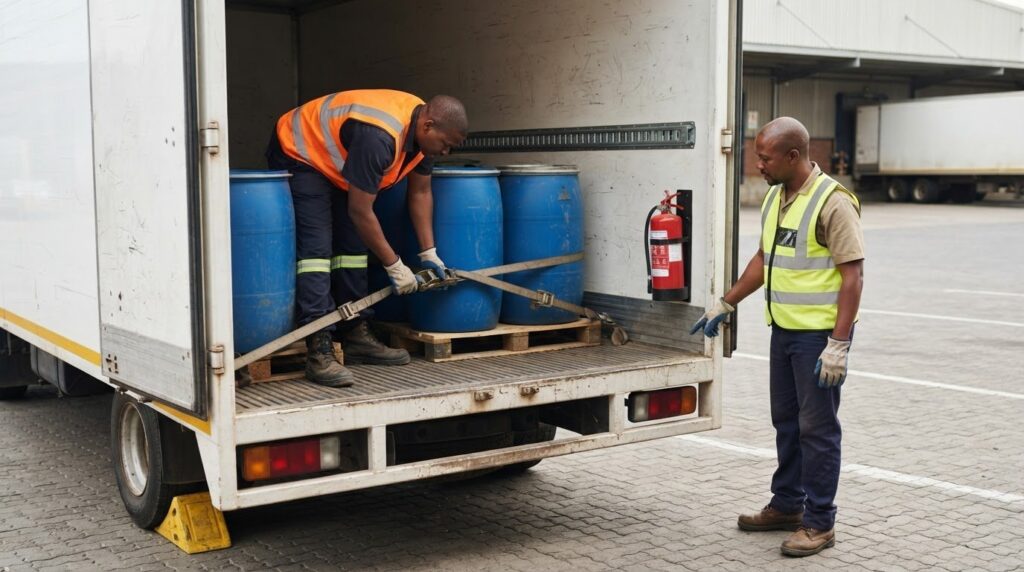
Effective risk mitigation strategies for commercial vehicle fleets combine driver competence, vehicle checks, clear safety procedures and ongoing monitoring. Connected technology can help managers spot patterns in driving behaviour and vehicle performance, so they can focus controls where they are most needed. The foundation is a consistent process for identifying hazards, assessing risks, applying controls and reviewing their effectiveness.
Fleet managers know that safety, compliance and operational continuity are closely connected. For organisations refining risk mitigation strategies for commercial vehicle fleets, the challenge is to make policies, everyday practices and incident responses work together. A missed inspection or recurring driving risk can affect multiple parts of an operation.
This article explains which safeguards to prioritise, how cameras and connected data can support oversight, and how to include compliance and costs in one risk-management approach. It also shows how risk mitigation strategies for commercial vehicle fleets can turn operational information into practical action, from targeted coaching to procedure reviews and responses to recurring risks.
Key Takeaways
- Use dash-camera footage and driving data to support fair incident reviews and targeted driver coaching.
- Make compliance checks part of routine fleet oversight, including licence, insurance and vehicle checks.
- Use a repeatable process to identify hazards, assess risks, apply controls and review whether they remain effective.
- Bring telematics, camera footage and maintenance information together to spot emerging patterns and inform timely action.
- Prioritise controls according to the risks your fleet faces, then use risk assessment and relevant training to address gaps.
1. Dash cameras, collision evidence and driver coaching
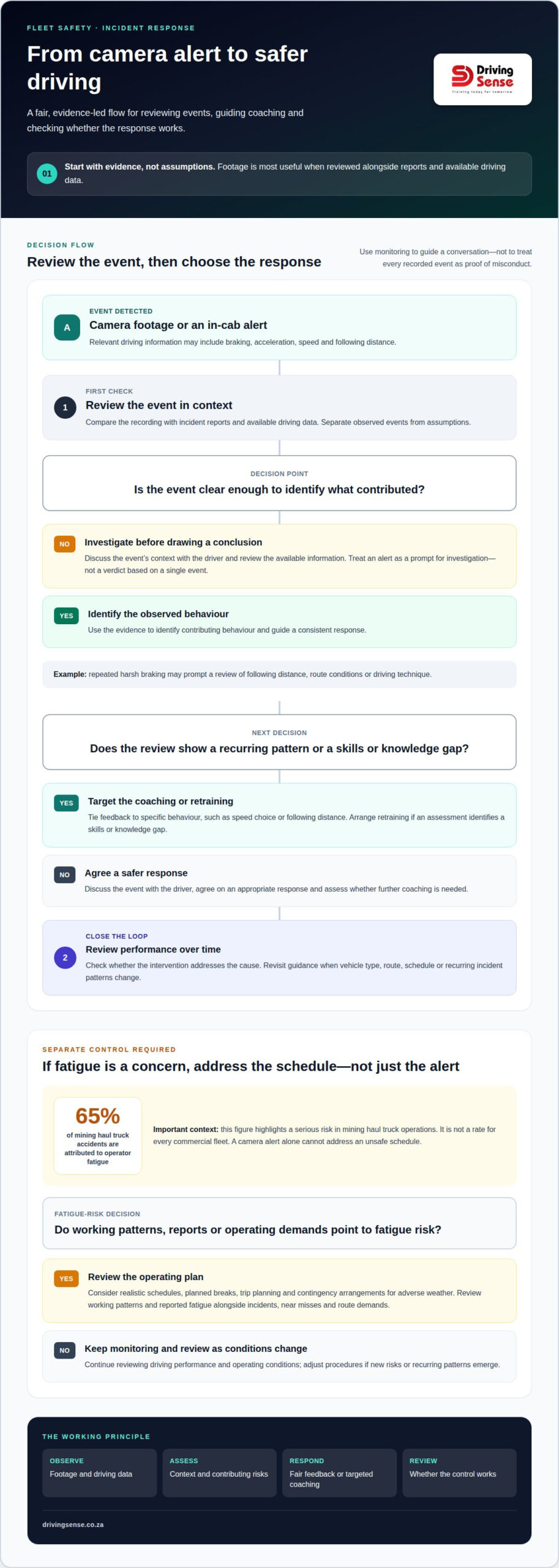
Dash cameras can provide collision evidence, help establish liability and support structured driver coaching. Their value depends on what happens after footage is captured. After an incident, managers can review the recording alongside reports and available driving data. This helps separate observed events from assumptions, identify contributing behaviour and guide a consistent response. A camera does not replace a clear incident protocol. Fleet procedures should explain how incidents are reported, reviewed and used to improve safety.
Use monitoring to guide conversations, rather than treating every recorded event as proof of misconduct. Information about braking, acceleration, speed and following distance gives managers a practical basis for feedback. For example, repeated harsh braking may prompt a review of following distance, route conditions or driving technique. Fleet safety analytics can reveal patterns in driver behaviour and vehicle performance, helping managers target interventions instead of applying the same response to everyone. Focused risk management supports relevant corrective action to reduce accidents.
In-cab technology can detect distracted driving, alert drivers and support coaching. A useful process is to review the event, discuss its context with the driver, agree on a safer response and assess whether further coaching is needed. Treating alerts as prompts for investigation helps prevent decisions based on a single event without context. Managers should also review driving performance over time and arrange retraining if an assessment identifies a skills or knowledge gap. Feedback is most useful when tied to specific behaviour, such as speed choice or following distance.
Fatigue requires a separate control because a camera alert alone cannot address an unsafe schedule. An estimated 65% of mining haul truck accidents are attributed to operator fatigue. This figure highlights a serious risk in that setting, but it should not be treated as a rate for every commercial fleet. Practical controls include realistic schedules, planned breaks, trip planning and contingency arrangements for adverse weather. Managers can review working patterns and reported fatigue alongside incidents, near misses and route demands. That evidence can help identify when schedules or operating procedures need adjustment.
Driver safeguards should start before a vehicle enters service. Drivers need training for their allocated vehicle class, knowledge of company safety policies and relevant compliance requirements, good health and a valid licence. Written procedures should clearly cover distraction, fatigue, incident reporting and the use of camera footage. Training and coaching can reinforce these procedures with examples relevant to the vehicles and work involved. A consistent approach builds a safety culture in which drivers understand the rules, managers respond fairly and lessons from incidents inform future practice.
Review controls as operating conditions change. A change in vehicle type, route, schedule or recurring incident pattern can make existing guidance less effective. Managers can use camera evidence, coaching records and safety analytics to identify where procedures need refinement. The goal is not simply more monitoring, but a disciplined cycle: observe behaviour, assess risk, give appropriate feedback and review whether the intervention addresses the cause. This connects evidence to action and keeps driver safety central to fleet decisions.
2. Regulatory compliance
Commercial vehicle fleets in South Africa face risks including collisions, theft and hijacking, vehicle defects, adverse weather, unsafe driving and missed compliance checks. Exposure depends on the vehicle, cargo, route, schedule and operating conditions, so fleet risk management should consider physical hazards alongside regulatory duties.
Route planning can account for traffic, weather and road construction, while contingency routes help managers respond to disruption. Secure depots, driver training in secure practices and deterrent technology, including fleet cameras, strengthen theft controls. Cargo-handling procedures should also define responsibility at collection, during transit and at delivery, reducing avoidable opportunities for loss or interference.
Compliance checks can cover driver licences, fleet insurance and vehicle condition. Record each result, any corrective action and its completion. For example, a vehicle defect should lead to a documented maintenance decision before the vehicle returns to operational use. This creates a traceable process and helps managers identify recurring failures rather than treating each inspection as an isolated event.
Fleet management systems can record hours of service and driving times, supporting oversight of schedules and driver activity. Use those records to monitor driving patterns and assess them against the requirements that apply to the fleet’s South African operations.
Combine routine checks with clear reporting. A fleet register can bring together licence status, insurance information, vehicle-check results, incidents and outstanding corrective actions. Assign responsibility for each record and establish a review process, so managers can see whether an issue is unresolved, recurring or affecting several vehicles. Consistent records also help demonstrate that checks and follow-up actions are part of normal operations.
Performance indicators help show whether controls are working. Track collision rates, driver performance and adherence to maintenance procedures, then review trends alongside inspection findings and incident reports. Repeated vehicle-check failures or a rise in collisions on particular routes, for example, may signal a need to review controls, schedules or driver guidance. Each indicator should lead to an assigned action, not just appear in a report.
Share concise fleet risk reports with senior decision-makers, linking each measure to its operational consequence and response. A report might summarise collision trends, overdue checks, open corrective actions and recurring route concerns. Review measures periodically, particularly when operating conditions, customer demands or applicable rules change. This connects compliance monitoring to day-to-day decisions instead of leaving records separate from risk controls.
3. What are the risk management essentials for commercial vehicle fleets?
Vehicle inspections and preventive maintenance reduce the chance that a defect will become a breakdown or safety incident. A practical control cycle is to inspect, record defects, assign corrective work and confirm the vehicle is fit for operation before release. Checks should reflect each vehicle’s use, condition and operating environment. For example, a delivery vehicle travelling on rough roads may need closer attention to tyres, brakes and suspension.
Owned, leased and subcontracted vehicles need the same focus on safety, but responsibilities differ. Fleet procedures should assign inspection, maintenance, record-keeping and defect-reporting duties according to ownership and contractual arrangements, then confirm that unsafe vehicles are taken out of service.
For South African fleets, insurance cover should reflect vehicle value and use, cargo exposure, routes and potential property damage. Consider cover for vehicle loss and damage, with relevant protection for repairs, replacement vehicles or drivers’ medical bills. Premiums depend on the fleet’s risk profile and selected cover, so there is no single cost.
Preventive maintenance follows planned servicing and inspection schedules instead of waiting for a failure. Regular checks, oil changes, tyre rotations and replacement of defective parts can identify developing problems before they interrupt operations. A maintenance plan should specify what is inspected, who completes the work, how defects are prioritised and which records demonstrate closure. Clear procedures also help managers determine whether recurring problems point to a vehicle issue or a weakness in the inspection process.
Predictive maintenance adds condition information to the schedule. Connected vehicle data can indicate developing faults and help teams plan work around operational requirements. For example, an engine-performance warning can prompt a maintenance assessment before the next long route. Monitoring tyre pressure and brake functionality can also help identify issues requiring attention. These systems support decisions, but do not replace inspections or competent assessment of a defect.
Digital workflows make inspection and repair records easier to track from report to completion. A driver can record a defect against the vehicle, the maintenance team can document the corrective action, and a manager can review its status before dispatch. Include the inspection result, defect description, decision, repair record and release status. This creates a traceable record for operational reviews and claims, while helping prevent unresolved faults from being overlooked between shifts.
Maintenance monitoring should reveal patterns, not just completed tasks. Repeated failures on the same asset class within 60 days indicate that the maintenance or inspection process needs to change. Two brake defects on the same asset class in a quarter are an assessment finding, not a coincidence. Review vehicle checks, repair histories and operating conditions together, then adjust schedules or procedures where the evidence points to recurring risk. Keep the reasoning and resulting action in the maintenance record.
Regulations and operating conditions should inform the inspection plan, and findings should guide its review. A change in vehicle use, route demands or recurring defects may require different checks or maintenance intervals. By connecting inspections, condition data, repair scheduling and release decisions, fleet teams can manage vehicle availability without prioritising a quick return over safety.
4. What is the real cost of fleet risk?
Fleet risks can create costs beyond the immediate collision repair. An incident may also lead to vehicle downtime, missed deliveries, insurance consequences, compliance sanctions and reputational damage. A practical assessment considers direct losses as well as operational disruption. For example, a damaged vehicle can affect assigned work, replacement arrangements and customer commitments even after the initial incident is resolved.
Telematics and dash cameras can improve risk management by showing driving patterns and providing objective incident information. Managers can compare harsh braking or speeding events with footage, route conditions and incident records, then decide whether coaching or another control is appropriate. This information supports investigation and prioritisation, but does not replace a manager’s assessment of context or the driver’s account.
Fleet management software can bring telematics, vehicle records and reports into a more usable view. GPS information can show vehicle locations and fleet activity, while geofencing can alert managers when a vehicle enters or leaves a defined operating zone. These tools can help identify route deviations or review movements around an incident. Use them alongside route plans and established reporting procedures, not as stand-alone indicators of misconduct.
Cameras, sensors and telematics provide different types of evidence. A camera may record the circumstances around a collision, a sensor can indicate a vehicle condition that needs attention, and telematics can show speed or braking behaviour. Reviewing these sources together can help managers establish what happened and whether the response should address driver behaviour, vehicle condition or operating procedures. Keep the review focused on the incident and relevant evidence.
Maintenance records add an operational perspective to monitoring. Compare reported faults and completed maintenance with vehicle performance information, then identify recurring issues that could affect availability or safety. A pattern of fault reports alongside repeated operational interruptions, for example, may justify reviewing inspection and maintenance arrangements. Recording the decision and follow-up action connects technology insights with practical fleet safety controls.
Digital trip and driving-time records can provide another view of fleet activity in South African operations. Review them alongside schedules, route demands and fatigue reports to identify patterns that may warrant further assessment. Records are most useful when managers interpret them in context and apply the requirements relevant to their operations, rather than treating a data alert as a conclusion.
To understand the wider costs, track collision trends, downtime, insurance losses, compliance findings and maintenance adherence together. Review the information periodically and assign an action to each significant pattern, such as changing routes after recurring incidents or reviewing maintenance after repeated faults. This makes monitoring a decision-making process rather than a collection of dashboards. It also helps leaders connect risk controls with operational consequences and focus attention on preventable losses.
5. Connected fleet technology and risk visibility
Connected technology provides useful risk visibility when managers link data to decisions. Telematics can record driving behaviour, vehicle performance and location, while cameras capture visual context around incidents. Reviewing these sources together helps teams identify patterns a single data stream might miss. For example, repeated harsh braking on a particular route may point to a driving concern, difficult road conditions or both.
Start by deciding which operational risks the system should help monitor. A fleet might prioritise speeding, harsh braking, route deviations, vehicle faults or incident response. Each priority needs a clear indicator and an assigned response. If telematics identifies repeated speeding, managers can review the journeys, discuss the pattern with the driver and decide whether coaching or route changes are appropriate.
GPS and route information can help teams understand where incidents and unsafe conditions occur. A route review can combine vehicle locations with traffic, weather and road-construction information, then identify alternatives where conditions create avoidable exposure. Geofencing can alert managers when vehicles enter or leave defined operating zones. These alerts are most useful when the team has a clear process for assessing the event and taking proportionate action.
Connected vehicle data can also support maintenance planning. Vehicle performance information may reveal developing faults, allowing teams to schedule an assessment around operational needs. Pairing these insights with inspection findings and maintenance records helps determine whether a warning is isolated or part of a recurring pattern. The aim is earlier, better-informed intervention, not replacing physical checks or maintenance judgement.
Technology should support professional drivers, not simply monitor them. Explain what information is collected, how it informs fleet safety decisions and how drivers can report relevant context. A sudden braking alert, for instance, may relate to another road user or an unexpected hazard. Fair reviews encourage accurate reporting and help managers distinguish individual behaviour from route or operating conditions.
Define a simple workflow for every significant alert: identify the event, assess its context, assign an owner and record the response. Then review incidents and related data together, including camera footage, telematics, location information and vehicle records. This makes actions traceable and helps teams assess whether an intervention reduces the likelihood of similar events. Dashboards should support that review, not become an end in themselves.
Connected systems provide visibility, but risk reduction depends on how consistently people use the information. Set review responsibilities, establish thresholds for escalation and record why decisions were made. Use the resulting patterns to refine routes, coaching priorities and maintenance planning. To discuss practical ways to strengthen fleet safety controls, speak with a safety adviser.
Driving Sense: Risk Assessment
Driving Sense provides Risk Assessment to help organisations identify fleet-related hazards, assess who may be affected and determine appropriate controls. Use this service when incidents, recurring defects, changing routes or gaps in procedures indicate that existing measures need review. An assessment can connect identified risks with practical priorities, including driver behaviour, vehicle use and safety processes.
Where findings point to capability or compliance gaps, Driver Training, Emergency Safety Training and Compliance Training can address relevant workforce needs. These interventions complement operational controls; they do not replace vehicle maintenance or fleet technology. A clear assessment gives managers a structured basis for deciding what to address and how to review progress.
Contact Driving Sense to discuss a Risk Assessment for your organisation.
Make your next fleet decision a structured one
Turn risk priorities into accountable decisions: assign ownership, set review points and connect each control to the people responsible for applying it. A risk assessment can help establish this structure, particularly when fleet operations change or existing procedures no longer reflect the work. Effective risk mitigation strategies for commercial vehicle fleets depend not only on selecting controls, but also on building the capability to apply them consistently.
Where an assessment identifies capability gaps, Driving Sense offers Driver Training, Emergency Safety Training and Compliance Training to address relevant workforce needs. These services complement an organisation’s operational controls and help meet specific training requirements identified through its risk-management process.
Choose a practical starting point, such as clarifying responsibility for a recurring risk or reviewing how staff respond to a fleet incident. Then build on the findings with measured actions that fit your organisation’s operations.
Contact Driving Sense to discuss fleet risk and identify a suitable next step for your organisation.
Frequently Asked Questions
What are the risk management essentials for commercial vehicle fleets?
Effective fleet risk management requires clear accountability, practical procedures and regular review. Assign responsibility for driver conduct, vehicle condition, incident reporting and compliance records, so decisions do not fall between teams. For example, a depot manager might own dispatch checks, while a designated safety lead reviews incident trends. Keep procedures proportionate to the fleet’s work and update them when routes, cargo or operating practices change.
What are some common fleet risks?
Common risks include collisions, theft, vehicle faults, unsafe driving, fatigue, adverse weather and gaps in compliance records. Their significance varies by vehicle type and work. A heavy vehicle carrying valuable goods, for instance, may face different exposure from a service vehicle making local visits. Assess risks across drivers, vehicles, routes, premises and procedures so controls address the conditions that shape each operation.
How can I get ahead of incidents?
Watch for warning signs before they become incidents, including near misses, recurring route problems, repeated vehicle defects and changes in driver behaviour. Record what happened, where it occurred and which conditions contributed, then assign an owner to review the pattern. For example, repeated near misses at a delivery entrance may justify changing arrival procedures or coordinating vehicle movements with site staff.
How can I give drivers useful feedback?
Make feedback specific, timely and tied to observable behaviour. Rather than telling a driver to “be safer”, discuss a particular event, such as following too closely or braking sharply, and explain its possible consequences. Invite the driver to describe the context, agree on a practical adjustment and set a later review. This supports fairer coaching and helps distinguish individual choices from route or scheduling pressures.
How can I make compliance easier to demonstrate?
Organise records so each vehicle, driver or incident links to the relevant check and follow-up action. A consistent filing method might group inspection results, licence information, training records and corrective work by fleet asset or date. Make responsibility for updating each record clear, and review outstanding actions regularly. This helps show how the organisation manages its processes and responds to identified issues.
What are the types of risks in transportation?
Transportation risks can be grouped into people, vehicles and other property, routes and surroundings, and operational processes. People-related risks include fatigue or unsafe driving; vehicle risks include defects or damage. Road conditions and weather affect journeys, while unclear handovers or incident procedures can cause process failures. Grouping risks this way helps managers identify who or what could be affected and select controls suited to each source.
What is the real cost of fleet risk?
The costs extend beyond repairing a damaged vehicle. An incident can also disrupt deliveries, consume staff time, create administrative work and affect customer confidence. To understand the impact, record direct expenses alongside downtime, replacement arrangements, missed work and investigation effort. Comparing these effects across incidents can show where reviewing controls may have operational value, even when a single financial figure cannot capture the full consequence.
What driver safety and fatigue-management measures reduce fleet accidents?
Set clear driving expectations, train drivers for their assigned vehicles and plan journeys with realistic schedules and proper breaks. Make it straightforward for managers to receive reports of fatigue, near misses and unsafe conditions without discouraging early disclosure. For example, a driver reporting fatigue before departure gives the operation an opportunity to reassess the schedule or arrange an alternative. Review recurring reports to identify workload or route patterns that need attention.
